Downtown Toronto Neighbourhood Guide | Real Estate, Lifestyle & Transit
April 22, 2026
Downtown Toronto Neighbourhood Guide
Downtown Toronto is the urban core of Canada’s largest city. It stretches roughly from Bathurst Street in the west to the Don River in the east, and from Bloor Street south to the Lake Ontario shoreline. The area spans postal codes M5A through M5V and parts of M4W and M4Y, and it contains Canada’s densest concentration of jobs, transit, restaurants, and cultural institutions.
For buyers, investors, and renters, downtown is the most active real estate market in the country. It’s also the most walkable part of the GTA, with most core blocks scoring 95 or higher on Walk Score.
Neighbourhood Overview and Character
Downtown Toronto isn’t one neighbourhood. It’s a collection of distinct pockets, each with its own personality, price point, and feel.
The Financial District anchors the core around King and Bay, home to the Big Five banks and the TSX. A few blocks west, King West and the Entertainment District turn into a nightlife and patio destination after 6 p.m. Queen West, Kensington Market, and Chinatown run northwest of there, offering the city’s most eclectic mix of boutiques, galleries, and independent restaurants.
East of Yonge, the St. Lawrence neighbourhood is home to the historic St. Lawrence Market, often ranked among the best food markets in the world. Further east, the Distillery District, Corktown, and the Canary District offer cobblestone streets, converted Victorian industrial buildings, and a growing community feel. North of the core, Yorkvilleand Bay-Bloor represent Toronto’s luxury retail and high-end condo market.
The character shifts from glass-tower corporate during the day to restaurant-and-theatre crowds at night, with residential pockets in between that feel surprisingly quiet.
Downtown Toronto Real Estate
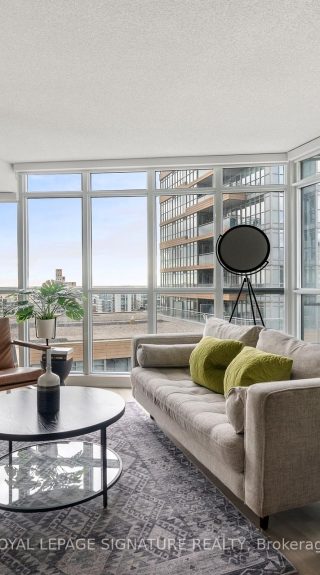
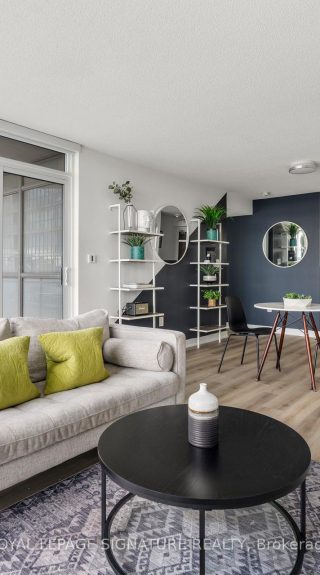
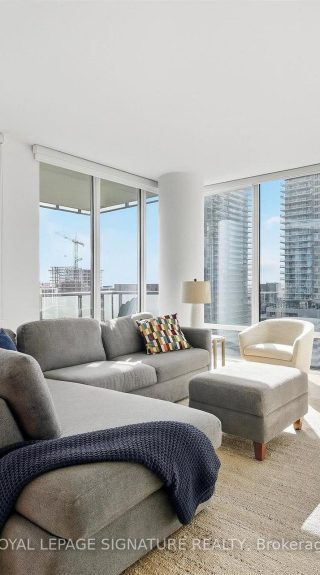
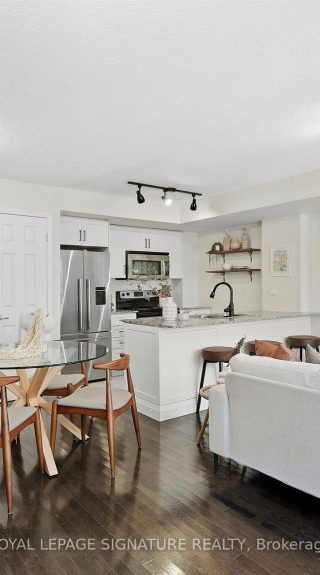
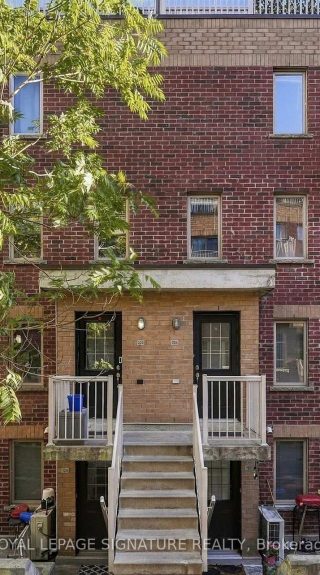
Downtown Toronto is primarily a condo market. Over 80% of available inventory in the core is condo apartments, with the remainder made up of lofts, townhomes, and Victorian row houses in older pockets like Cabbagetown, Corktown, and parts of St. Lawrence.
Condo Market
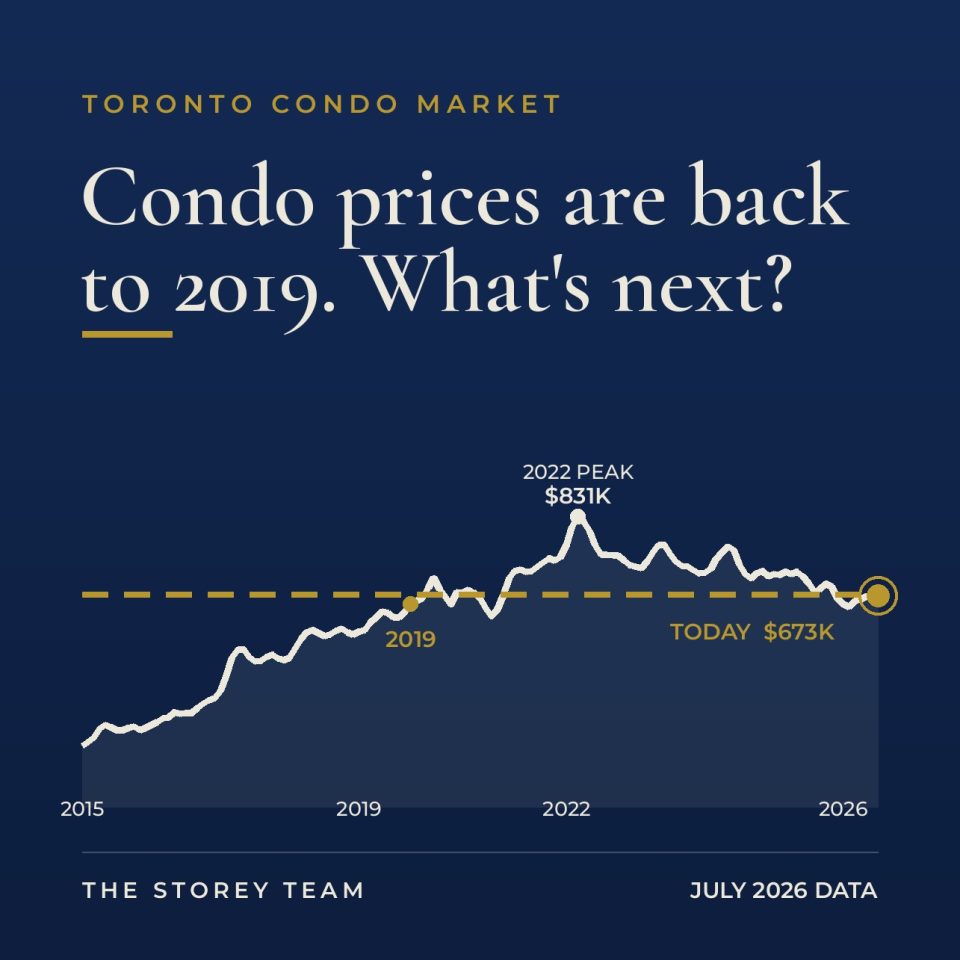
Condo prices in Downtown Toronto typically range from the mid-$500,000s for studio and small one-bedroom units to well above $2 million for larger two-and-three-bedroom suites in luxury buildings. The median condo price in the core sits close to $700,000, though premium buildings in Yorkville, at the waterfront, and along King West can push average price per square foot over $1,500.
Popular buildings and projects include Maple Leaf Square, Ice Condos, Pinnacle Centre, Casa, Shangri-La, Four Seasons Private Residences, 1 Bloor East, and the Mirvish Village development.
Freehold Market
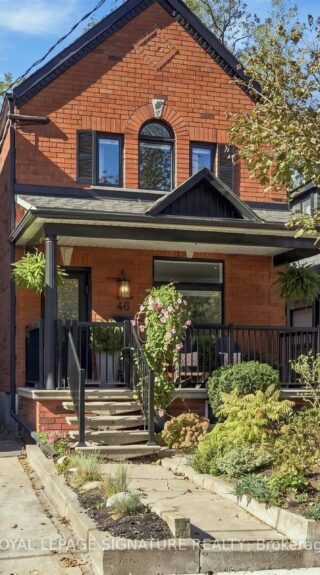
Freehold homes are rare downtown but highly coveted. Victorian semis and row houses in Cabbagetown, Corktown, Trinity Bellwoods, and parts of Church-Wellesley typically trade in the $1.5 million to $3.5 million range. Fully renovated and larger homes on wider lots can exceed $4 million. Inventory is thin, so competition is often strong even in slower markets.
Lofts
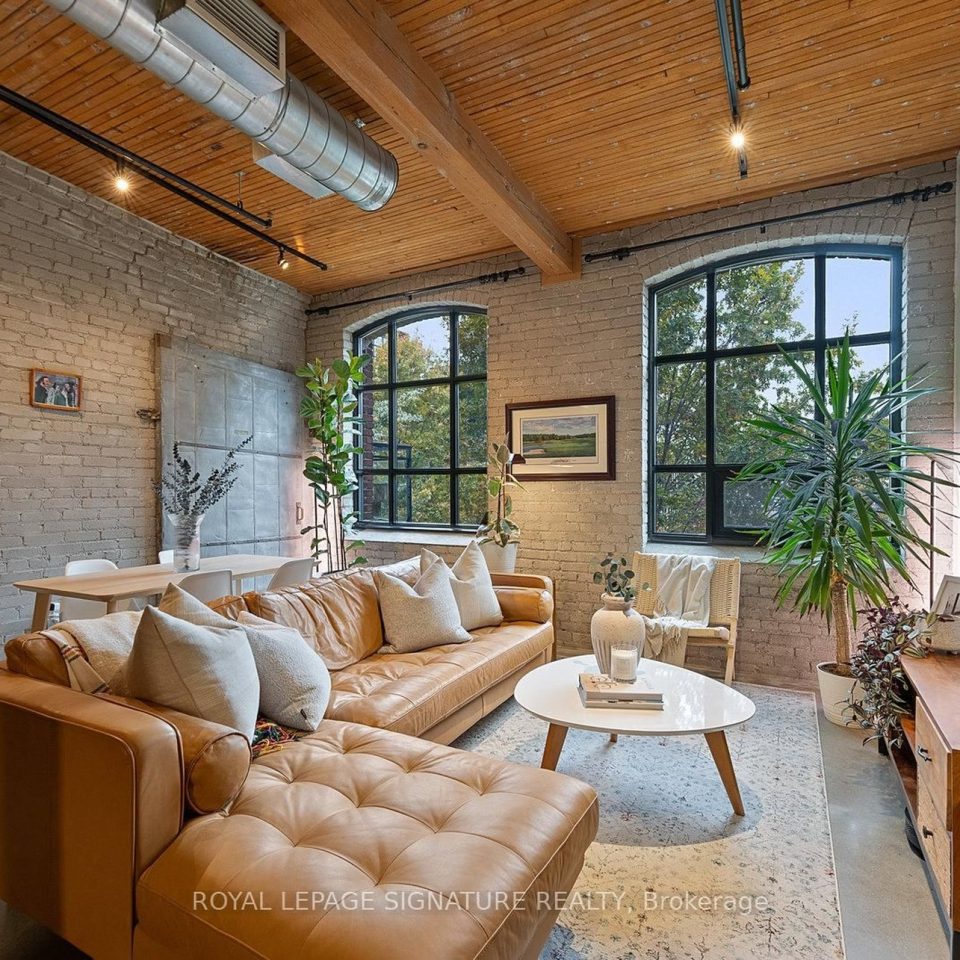
Hard and soft loft conversions are a distinct segment of the market, concentrated in the Fashion District, King West, and Queen West. Classic hard lofts in buildings like the Toy Factory Lofts, Candy Factory Lofts, and Chocolate Company Lofts command a premium over standard condos thanks to higher ceilings, exposed brick, and timber post-and-beam construction.
Who’s Buying
Downtown Toronto real estate attracts a mix of first-time buyers entering at the condo level, move-up buyers looking for larger units or freeholds, investors focused on long-term rental demand, and end-user professionals who want to live near work. International buyer interest is significant, particularly in luxury buildings.
Lifestyle, Dining, Nightlife, and Culture
Downtown Toronto has the highest concentration of restaurants, bars, theatres, and cultural venues in Canada.
Dining ranges from Michelin-starred tasting menus at restaurants like Sushi Masaki Saito and Osteria Giulia to streetside institutions like Seven Lives in Kensington, Banh Mi Boys on Queen West, and Schwartz’s Deli-inspired Caplansky’s alumni spots. The Financial District is home to the city’s best steakhouses and power lunch spots, while King West, Ossington, and Queen West are where Toronto’s new restaurant openings cluster.
Nightlife is concentrated in the Entertainment District (Adelaide and King), King West, Queen West, and the Church-Wellesley Village. Toronto’s live music scene runs through venues like Massey Hall, The Danforth Music Hall, The Horseshoe Tavern, Lee’s Palace, and The Opera House.
Culture is everywhere. The Royal Ontario Museum, Art Gallery of Ontario, Bata Shoe Museum, Museum of Contemporary Art, and TIFF Lightbox are all downtown. Major professional sports teams, the Raptors, Maple Leafs, Blue Jays, and Toronto FC, all play within walking distance of Union Station. The Toronto International Film Festival takes over the city every September.
Transit and Walkability
Downtown Toronto is the most transit-connected neighbourhood in Canada. Union Station is the hub for the TTC subway (Line 1 Yonge-University), GO Transit regional trains, UP Express to Pearson Airport, VIA Rail long-distance trains, and the Union Pearson Express.
TTC Access
Both TTC subway lines pass through downtown. Line 1 runs north-south along Yonge Street and University Avenue, with stations at Union, King, Queen, Dundas, College, Wellesley, Bloor-Yonge, St. George, Osgoode, and St. Andrew. Line 2runs east-west along Bloor Street, linking downtown to the east and west ends of the city.
Streetcar routes cover the areas the subway doesn’t reach. The 504 King, 505 Dundas, 506 Carlton, 510 Spadina, and 511 Bathurst routes are core to getting around the west and east ends of downtown.
PATH System
Downtown is connected by the PATH, a 30-kilometre underground pedestrian network that links over 75 buildings, six subway stations, and Union Station. It’s the largest underground shopping complex in the world and a practical way to move through the core in winter.
Walkability and Cycling
Most of Downtown Toronto scores 95 to 100 on Walk Score, with many blocks classified as “walker’s paradise.” Bike lanes on Bloor, Richmond, Adelaide, University, and the Martin Goodman Trail along the waterfront make cycling viable year-round for many residents.
Parks and Green Space
Downtown Toronto has more green space than most visitors realize.
Trinity Bellwoods is the largest and most active park in the core, popular for picnics, dog walking, and summer lounging. Allan Gardens features a historic Victorian-era conservatory. Grange Park, behind the AGO, was redesigned in 2017 and is a family favourite. Corktown Common is a newer park built on former industrial land in the West Don Lands. The Harbourfront, HTO Park, Sugar Beach, and Sherbourne Common give the core direct access to Lake Ontario. Queen’s Park and the University of Toronto campus offer sprawling green space at the north edge of downtown.
For longer outings, the Martin Goodman Trail runs the length of the waterfront and connects east and west to the Beaches, High Park, and beyond.
Schools and Family Suitability
Downtown Toronto is increasingly popular with families, particularly in neighbourhoods like St. Lawrence, Cabbagetown, Corktown, King West, and the Canary District.
Public elementary options include Market Lane Junior and Senior Public School, Jesse Ketchum Public School, Church Street Junior Public School, Rose Avenue Junior Public School, and Winchester Public School. Most of these schools have solid reputations and active parent communities.
Secondary schools serving the core include Jarvis Collegiate Institute, Central Technical School, Rosedale Heights School of the Arts, and Harbord Collegiate. There’s also strong access to specialized arts, science, and academic programs through the TDSB’s optional attendance system.
Private schools within or near downtown include Branksome Hall (girls), University of Toronto Schools, De La Salle College, and The York School.
Downtown is family-friendly in the sense of access to amenities, culture, and transit, but buyers looking for larger homes, private backyards, and suburban-style green space will want to consider the surrounding neighbourhoods like Riverdale, The Annex, Leslieville, or Rosedale.
Pros and Cons of Living in Downtown Toronto
Pros
- Unmatched transit access, including Union Station, two subway lines, streetcars, and the PATH
- Walkability scores among the highest in North America
- The largest concentration of restaurants, culture, and professional sports in Canada
- Strong long-term real estate fundamentals driven by population growth and employment density
- Short or no commute for the majority of downtown-based office workers
- Year-round amenities including indoor PATH access in winter
Cons
- Higher price per square foot than nearly anywhere else in the GTA
- Smaller average unit sizes, especially in newer condo buildings
- Limited freehold inventory and strong competition when homes do list
- Traffic congestion and limited street parking
- Nightlife and tourist foot traffic can make certain pockets noisy
- Fewer traditional suburban family amenities like large backyards and quiet streets
Frequently Asked Questions
Is Downtown Toronto a good place to live?
Yes. Downtown Toronto offers the best transit access, walkability, dining, and cultural amenities in Canada. It suits professionals, couples, and increasingly families who prioritize lifestyle and proximity to work. The trade-off is higher prices and smaller home sizes compared to the suburbs.
What is Downtown Toronto known for?
Downtown Toronto is known for the CN Tower, the Financial District, world-class dining, major professional sports venues (Scotiabank Arena and Rogers Centre), cultural institutions like the ROM and AGO, and the highest-density condo market in Canada.
How much does a condo in Downtown Toronto cost?
Condo prices in Downtown Toronto typically range from the mid-$500,000s for studios and small one-bedrooms to over $2 million for larger luxury units. The median price for a downtown condo sits around $700,000, with premium buildings in Yorkville and the waterfront trading at a significant premium.
What are the best neighbourhoods in Downtown Toronto?
Popular downtown neighbourhoods include King West, Queen West, Yorkville, St. Lawrence, the Distillery District, Cabbagetown, Corktown, the Entertainment District, Kensington Market, and the Waterfront. Each has a distinct character and price point.
Is Downtown Toronto walkable?
Downtown Toronto is one of the most walkable areas in North America. Most core blocks score between 95 and 100 on Walk Score, meaning daily errands do not require a car. The PATH network also allows walking between major buildings and transit stations underground.
What is the best way to get around Downtown Toronto?
The TTC subway (Line 1 and Line 2), streetcars, and walking are the most common ways to get around downtown. Union Station connects the TTC, GO Transit, VIA Rail, and the UP Express to Pearson Airport. Bike lanes and the Martin Goodman Trail along the waterfront also make cycling a practical option.
Is Downtown Toronto good for families?
Yes, increasingly so. Neighbourhoods like St. Lawrence, Cabbagetown, Corktown, and the Canary District have become popular with families, with good public schools, parks, and access to amenities. Families looking for larger homes with private outdoor space often choose downtown-adjacent neighbourhoods like Riverdale, The Annex, Leslieville, or Rosedale.
What are the pros and cons of buying a condo in Downtown Toronto?
The main pros are transit access, walkability, lifestyle amenities, and strong long-term demand. The main cons are a higher price per square foot, smaller average unit sizes, monthly maintenance fees, and more competition in popular buildings. For end-users who want to live in the core, and for investors focused on long-term rental demand, downtown condos remain one of the most liquid real estate assets in Canada.
Thinking About Buying or Selling in Downtown Toronto?
The Storey Team at Royal LePage Signature Realty specializes in Downtown Toronto condos and freehold homes. If you’re considering a move, an investment purchase, or a sale, reach out for a personalized market conversation and a clear understanding of where your neighbourhood sits today.