About this video In this January 2022 video, Tom Storey explains Toronto’s new vacant home tax as it was first introduced: who must declare, what counts as vacant, the exemptions, and why he doubted it would make housing more affordable. The tax rate has since increased. Key points All Toronto residential owners must declare their property’s occupancy status every year. Owners living in their home only need to declare. In...
About this video
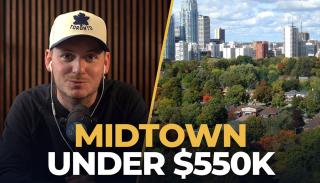
In this January 2022 video, Tom Storey explains Toronto’s new vacant home tax as it was first introduced: who must declare, what counts as vacant, the exemptions, and why he doubted it would make housing more affordable. The tax rate has since increased.
Key points
- All Toronto residential owners must declare their property’s occupancy status every year. Owners living in their home only need to declare. In BC, failing to declare meant the home was assumed vacant.
- As introduced, vacant homes paid 1% of the property’s assessed value each year, which is often well below market value.
- A home counts as vacant if it sat unoccupied for more than six months of the year. Principal residences are not subject to the tax, even if owners travel for long periods.
- The tax first applied to 2022 occupancy, billed in 2023.
- Exemptions included the death of the owner, major renovations or redevelopment, the owner being in medical or supportive care, a transfer of ownership during the year, and a court order preventing occupancy.
- Revenue was earmarked for affordable housing initiatives, which Tom hoped would actually happen.
- His concern: an owner who leaves a home vacant is already giving up rent, roughly $30,000 a year on a unit that could rent for $2,500 a month, so an extra $5,000 tax is unlikely to change the minds of deep pocketed investors.
- He would rather governments focus on adding supply than new taxes, noting BC prices kept rising after its similar tax.
Rules that have changed since
Toronto raised the vacant home tax from 1% to 3% of assessed value starting with the 2023 tax year. Check the City of Toronto for current rules, exemptions and declaration deadlines.
Questions answered in this video
What is Toronto’s vacant home tax?
An annual tax on residential properties left unoccupied for more than six months of the year, excluding principal residences. It started at 1% of assessed value and has since risen to 3%.
Do I need to declare if I live in my Toronto home?
Yes. Every Toronto residential owner must submit an occupancy declaration each year, even if the home is their principal residence and no tax is owed.
What are the exemptions to Toronto’s vacant home tax?
Exemptions include the owner’s death, major renovations, the owner being in medical or supportive care, a sale or transfer during the year, and a court order preventing occupancy.
Related: 5 things to know about the vacant home tax, first year results and Toronto real estate FAQ.
📅 Book An Appointment: https://calendly.com/tomstorey
🏠 Search Listings and Sold Prices For FREE: https://tinyurl.com/ListSoldPrices
💾 DOWNLOAD Our FREE Guide For Buyers and Seller: https://stan.store/thestoreyteam
Serious about buying or selling Toronto Real Estate? Interview the Storey Team. You’ll be glad you did. https://storeyteam.ca/
The opinions expressed herein are solely that of Tom Storey, not Royal LePage or the TRREB and should not be misconstrued as advice or the basis of an agency relationship whatsoever. Please consult your professional advisor prior to taking action on any decisions relating to the matters discussed in these videos. This communication is not intended to cause or induce breach of an existing agency agreement. This is not financial advice.