

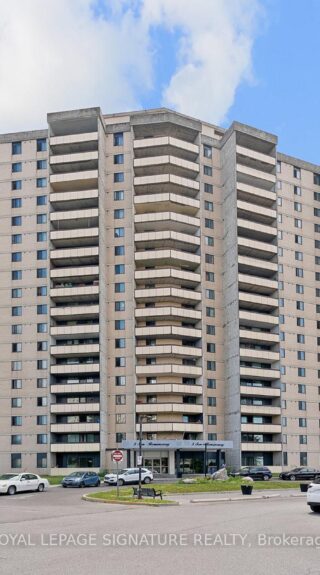



About this video In this August 2024 video, Tom Storey explains how co-op apartments work in Toronto and the pros and cons of buying one. Co-ops made up only about 1% of sales so far in 2024, but they can offer prime locations at much lower prices, with trade offs in financing, board approval, fees and appreciation. Key points Co-op versus co-ownership: in a co-op you own shares in a...
About this video
In this August 2024 video, Tom Storey explains how co-op apartments work in Toronto and the pros and cons of buying one. Co-ops made up only about 1% of sales so far in 2024, but they can offer prime locations at much lower prices, with trade offs in financing, board approval, fees and appreciation.
Key points
- Co-op versus co-ownership: in a co-op you own shares in a corporation that owns the building. In a co-ownership you share legal title to the whole property. Neither is technically a condo.
- Pro: location. Well known co-ops are in prime areas like Rosedale and the Beaches.
- Pro: price. Co-ops are significantly cheaper per square foot than condos or houses in the same areas.
- Pro: community. Residents tend to look out for each other and usually stay a long time.
- Pro: few or no renters in most buildings, and buyers need board approval (typically a review of about 14 days), which limits speculation.
- Con: financing. To Tom’s knowledge, you generally need at least 30% down, many big banks will not lend, and credit unions are more common lenders.
- Con: strict rules. The board may reject a buyer you have agreed with, and rentals and some renovations may not be allowed.
- Con: harder to sell. Fewer buyers and agents understand co-ops, and they use different paperwork.
- Con: high looking fees. Monthly fees include property taxes and management, so ask for a full breakdown before comparing to a condo.
- Con: slower appreciation. Co-ops rise in value, but much more slowly than the rest of the market, so they suit people who would rather own than rent.
Co-op pros and cons
| Pros | Cons |
|---|---|
| Prime locations | Harder financing, often 30% or more down |
| Much lower price per square foot | Board approval and strict rules |
| Strong community | Smaller buyer pool when selling |
| Few or no renters | Fees include taxes, so they look high |
| Less speculation | Slower appreciation |
Questions answered in this video
What is a co-op apartment in Toronto?
A co-op is a building owned by a corporation. Buyers purchase shares in the corporation that give them the right to occupy a unit, rather than owning the unit outright like a condo.
Can you get a mortgage on a co-op in Toronto?
Sometimes, but it is harder. Tom says buyers generally need at least 30% down, and many co-op buyers finance through credit unions rather than big banks.
Why are co-op maintenance fees so high?
Co-op fees usually include property taxes as well as management and operating costs. Ask for a breakdown to compare fairly with a condo’s fees plus taxes.
Are co-ops a good investment in Toronto?
Tom says co-ops appreciate more slowly than the rest of the market and usually cannot be rented out, so they suit people who want an affordable place to live in a great area rather than an investment.
Related: first time home buyer insider, downsizing in Toronto and Toronto real estate FAQ.
📅 Book An Appointment: https://calendly.com/tomstorey
🏠 Search Listings and Sold Prices For FREE: https://tinyurl.com/ListSoldPrices
💾 DOWNLOAD Our FREE Guide For Buyers and Seller: https://stan.store/thestoreyteam
Serious about buying or selling Toronto Real Estate? Interview the Storey Team. You’ll be glad you did. https://storeyteam.ca/
The opinions expressed herein are solely that of Tom Storey, not Royal LePage or the TRREB and should not be misconstrued as advice or the basis of an agency relationship whatsoever. Please consult your professional advisor prior to taking action on any decisions relating to the matters discussed in these videos. This communication is not intended to cause or induce breach of an existing agency agreement. This is not financial advice.